Showing posts with label kodak ektar. Show all posts

Saturday, November 5, 2016

Where'd the Numbers Go!?

I just loaded a roll of Kodak Ektar 120 into my 1939 Voigtländer Bessa 6x9. I started winding, looking for the 1 to appear in the ruby window. I wound and wound, but the 1 never appeared, neither did the 2! I was certain that I had wound far enough, but no numbers! I must have done something wrong with the loading or the turning of that little winder thing. It seems simple and I've done it many times before, but hey I wouldn't put it past myself to screw it up somehow. So I went into the dark bathroom and wound the film back onto the supply spool and tried again. Guess what. The same thing happened. I know it is the definition of insanity to keep doing the same thing and expect different results, so I didn't try it a third time. I went where every puzzled photographer goes... the Googlez! It seems that some others have had their Ektar 6x9 numbers go missing as well. Kodak must have recently changed the position of these numbers, because I know that I have shot this film in this very camera in the last few years and not had this problem. Anyway, I pulled out an empty Ektar backing paper and compared the position of the numbers to the position of the window and sure enough, they don't line up. The numbers are too close to the edge of the paper.

Now that I had the problem clearly identified I needed a solution. Moving the window to accommodate the numbers wasn't really an option, so I had to move the numbers. One option for moving the numbers was to just spool the film onto a different backing paper that has numbers in the right place, like Acros. I decided that was sub-optimal since I might get confused later and develop it in the wrong chemicals. So I took that old Ektar paper and wrote on a new set of numbers in the correct position. Then I rolled the film onto the new paper. Voilà!! There are my numbers in the ruby window!

I hope someone finds this useful. I know I did. :P

Tuesday, July 29, 2014

Pushing Through Addendum

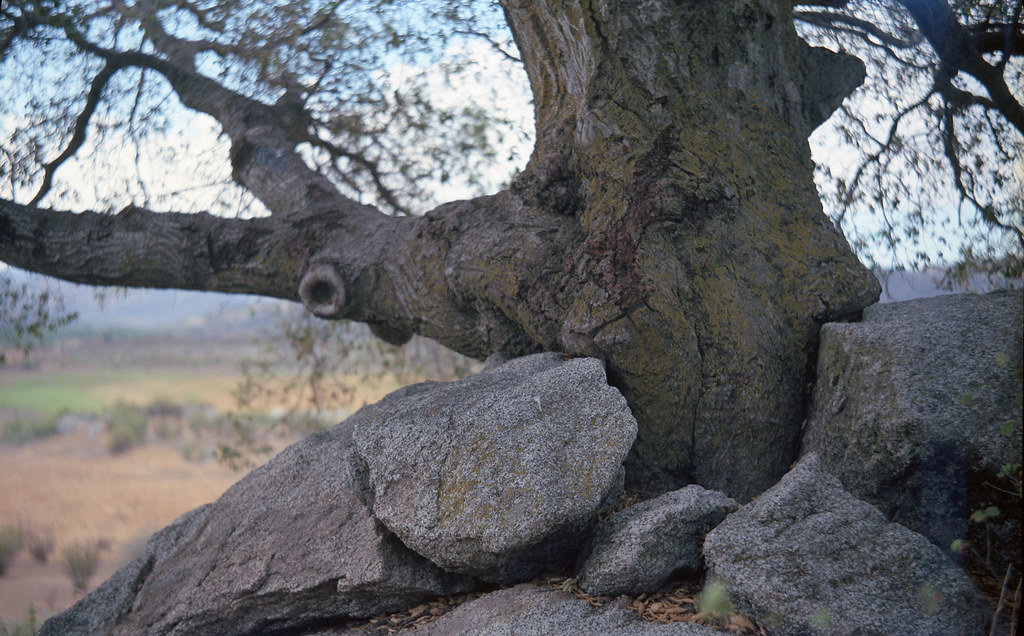
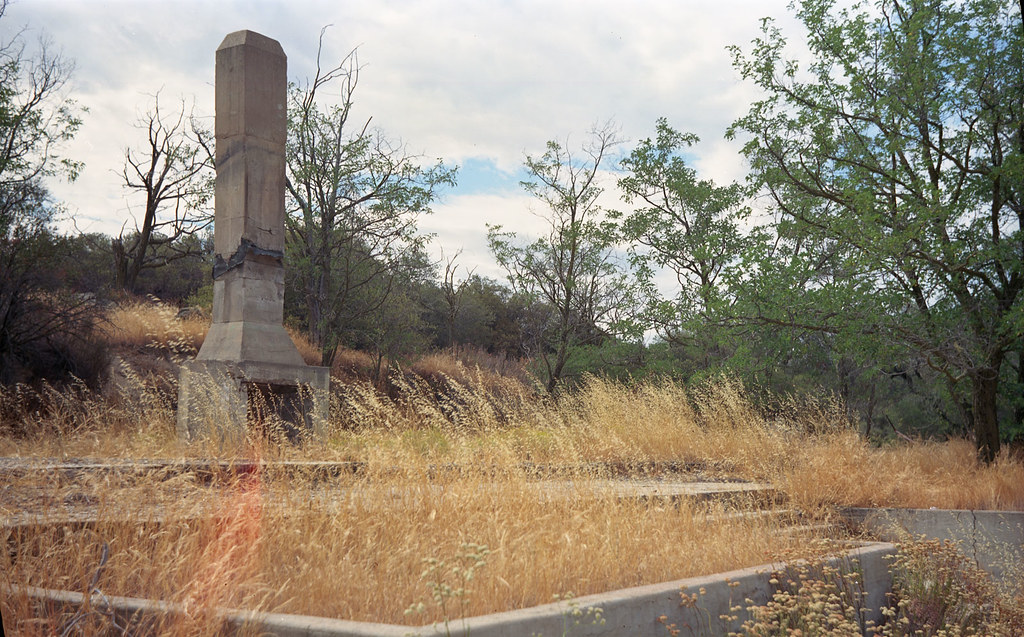
When I wrote the last two Pushing Through articles, I used a couple of photos from one of my favorite cameras; my 1939 Voigtländer Bessa 6x9. I love using that camera and am always wonderfully surprised when I see the results. There is a lot of fuss made about lenses these days. How many elements in how many groups, what kind of coating, rotating or fixed front element, etc. Here's what I have to say about that. Photography is art (unless you are doing scientific or some other kind of strictly documentary photography). The artist needs to use the tools that will give him or her the results that are pleasing to them. If you like tack sharp perfection of contrast and color, then you should stick with modern lenses, preferably high-end ones. I have gone that route and even got caught up in 'pixel peeping' to make sure that my images were just as sharp as they possibly could be with the equipment I had. Then I rediscovered film via the Holga. This 'opened my eyes' to a world of color and shapes and blur and haze that I sort of knew existed, but never thought much about. That little plastic meniscus lens opened doors into creative spaces in my brain that I didn't know were there. Then I started buying old cameras and old film to see where that would lead and it took me deeper into those places. These days, I don't mind taking a shot or two with my DSLR or even on my phone (if required), but when I want to really be creative, I get out an old camera. Maybe it has a really nice lens (for its day), maybe it doesn't. In the case of these photos taken with my Bessa, the lens is a decent 'triplet' type without any coatings. The focus is done by estimation of the distance to the subject and exposure is measured either with a hand-held meter or by 'sunny sixteen'. These are not the sharpest, most contrasty, color accurate photos I could make, but I love the way this camera 'interprets' the light. It fits well with my artistic vision.

These were taken on Kodak Ektar 100 film. I don't shoot this film very often, but it does a very nice job rendering color in a vivid but accurate way. Compare these to the shots done with the same camera on expired Tri-X. Leave a comment if you have an opinion about which are better. Lake Morena Oak

Lake Morena Ruins