Sunday, April 17, 2016

127 - The Other Square Format

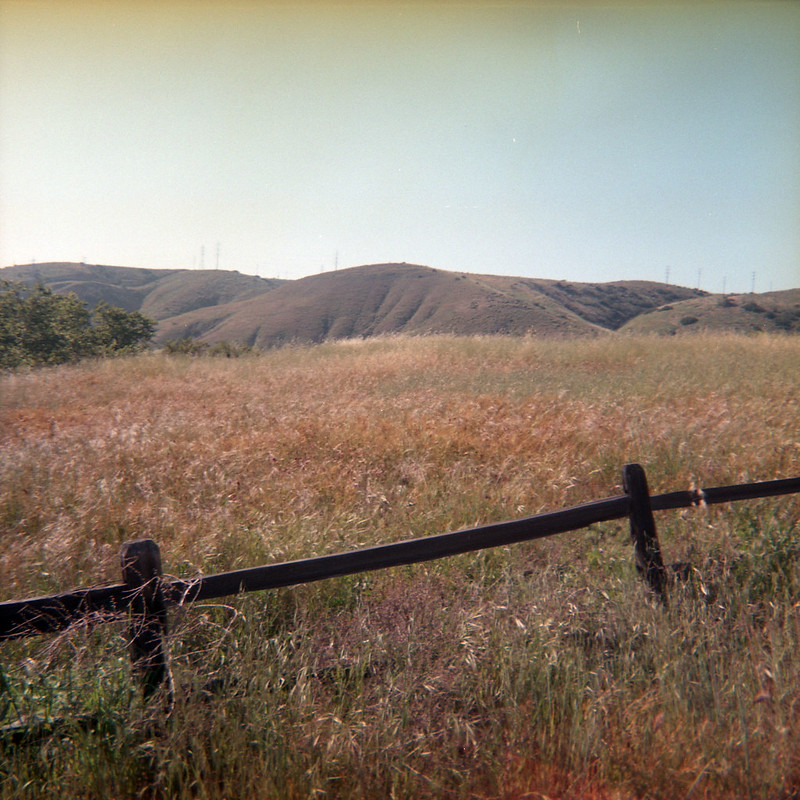
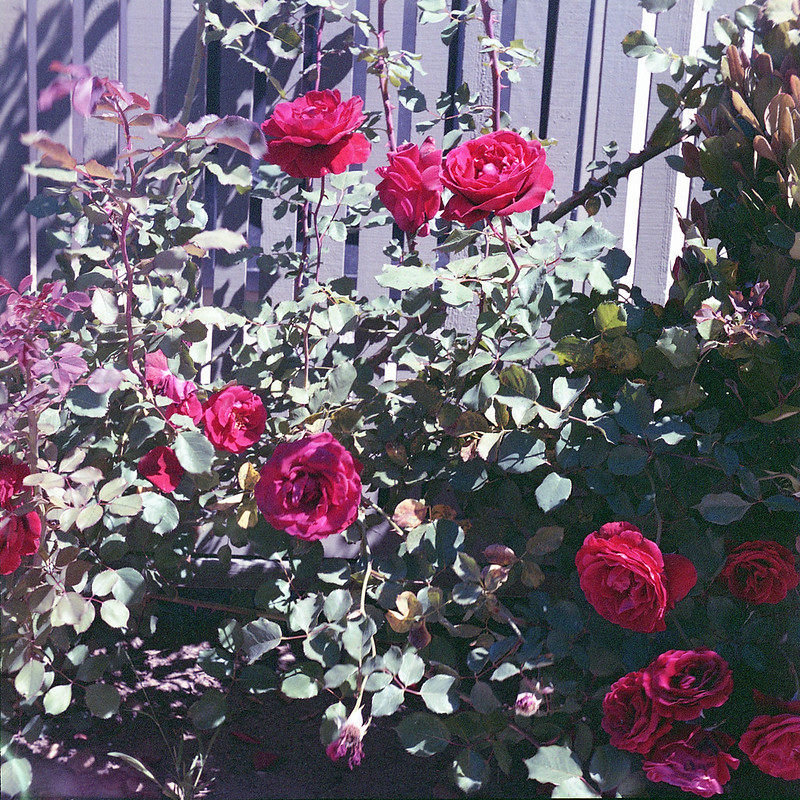
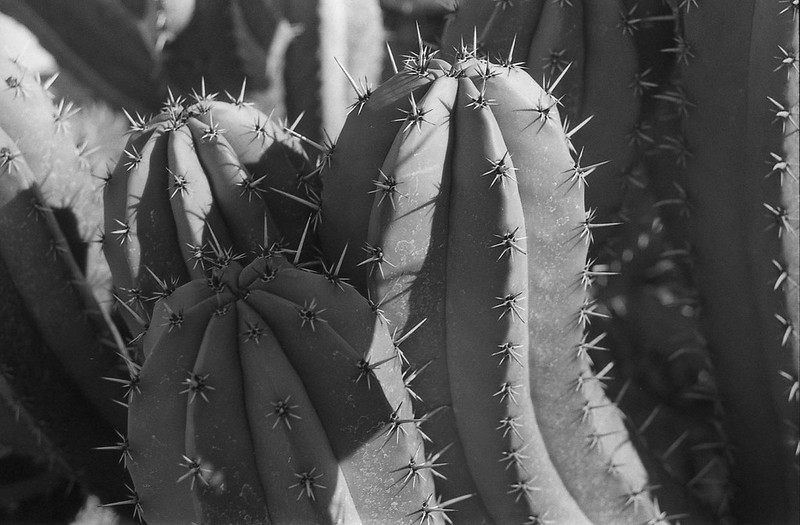
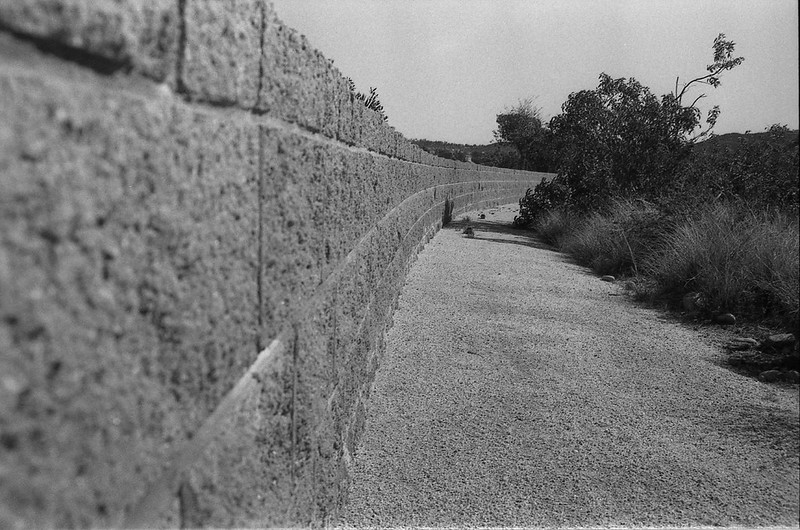
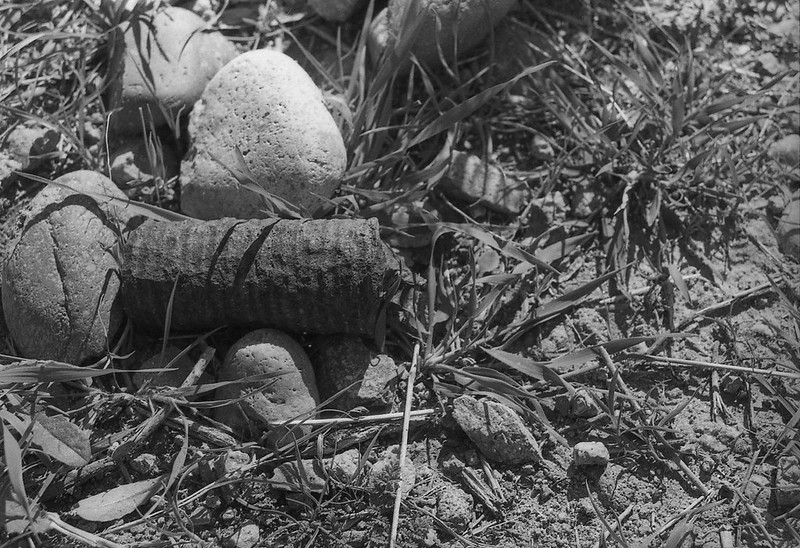
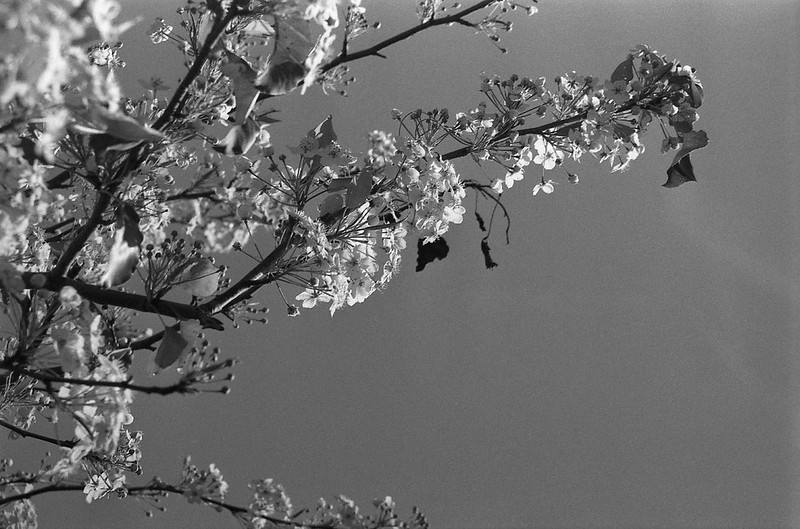
When you talk to a film photographer about square format, the first thing that probably comes to their mind is medium format 6x6 cameras that take 120 film. That is the format that most square shooters are using today (Impossible instant film notwithstanding). However, there are still a small handful of photographers using another square format. The film is 46mm wide and takes nominally 4x4 images. Back in the day, the family photographer would use slide film and they would be processed and mounted in the same size slide as the regular 35mm slides, but the opening accommodated the larger 4x4 image. It was a "super slide" and it filled the living room screens of families across the globe like never before. Since slide film is rather unforgiving as far as exposure, you needed a good camera with a full set of aperture and shutter speed controls. Kodak and other manufacturers made a whole slew of cheap plastic cameras with cheap meniscus lenses that took 127 format film. These were primarily used for print (negative) film which could manage the overs and unders of fixed aperture, fixed shutter speed cameras. There were other manufacturers that produced full-featured cameras for the 127 format. Among the most popular were Rollei in Germany and Yashica in Japan. This film used to be cheaply and abundantly available in many different flavors. These days there are about 4 fresh stocks available. You can find them at Frugal Photographer in two color and two b/w emulsions. These range from $11.45 to $14.95 for a single roll, so it's a little rich for my blood. However, recently I was given a 100' roll of 46mm film in some sort of expired, rebranded emulsion. It says "Konica 160" on the box with an expiration of 3/2006. This is right up my alley. I had an original 127 backing paper that probably came in one of the Brownies, so I used that as a template to cut some new backing papers out of old 120 rolls (I knew saving those would pay off some day). I cut the film off of the spool to the right length (I have a string the right length, so I can measure it in the dark) and taped it to the backing paper and rolled it up on the little metal spools. I wrapped these in aluminum foil just in case the backing paper isn't quite perfect and I don't want any light leaking around the edges. I have a couple of Kodak Brownies that use 127 film. These are fun to use little point and shoot cameras. For a quick outing where you don't need the precision of a higher-end camera, they are perfect. No fuss, no muss, just easy. And considering the primitive optics, they take pretty good pictures. Here are a few from my Brownie Starflash.
Starflash-Konica-010
Starflash-Konica-009
Starflash-Konica-011
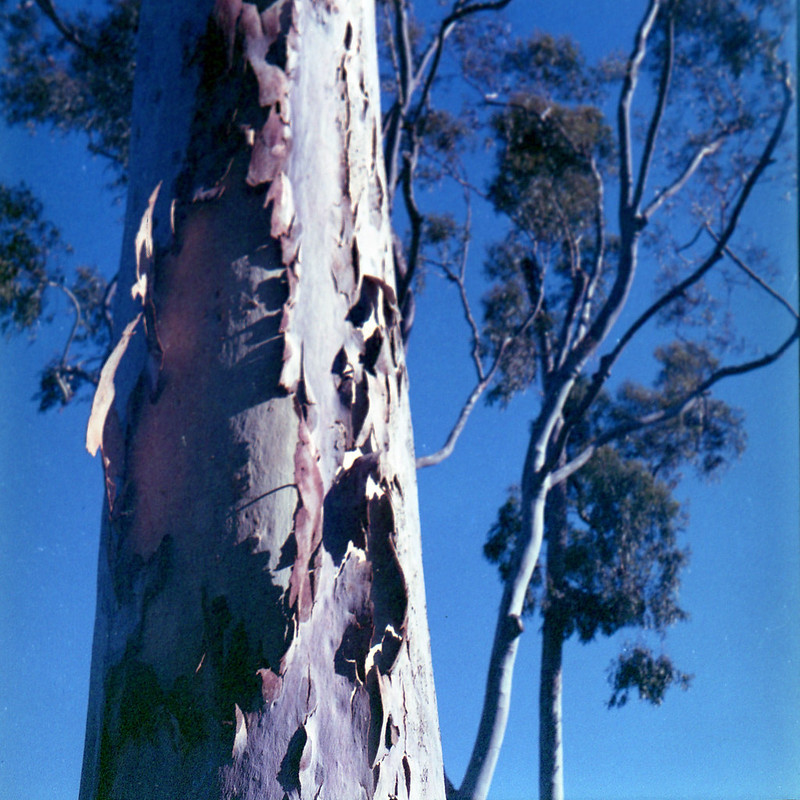
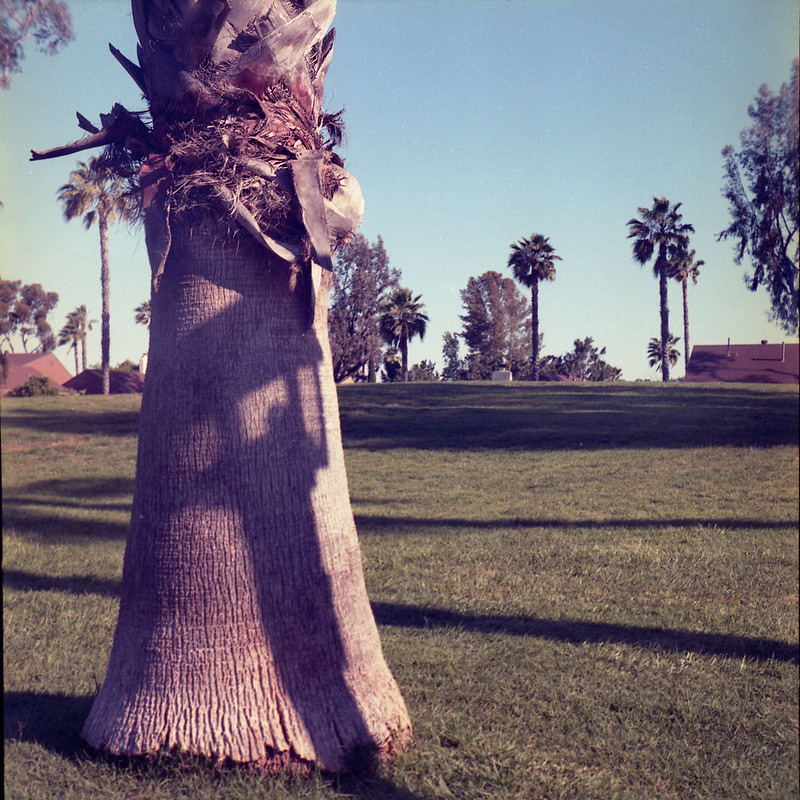
Now on the other end of the spectrum are the "baby" TLRs (twin lens reflex). These were made by a few companies that were already making full size (120) TLRs. The big players were Rollei and Yashica. Rollei made the Baby Rolleiflex which was the top o' the line and is still seen as a desirable camera. Next though was the more affordable yet still high quality Yashica 44. Since I now have a spool of film and don't really want to run 40+ rolls through the Brownie, I thought I should get one or the other of these nice little TLRs. I'm usually looking for "value" when I go camera hunting. I am not a collector, so I don't need the pristine 'new in box' Rolleiflex with the ultra rare lens in the color that had a run of <100, etc. I just want a camera that works enough when I get it so that I can clean it up if needed and start making pictures with it. So I went looking for a Yashica 44. I found a reasonably priced Yashica 44LM which has a different look than the other Yashica 44s which were fairly close copies of the Rolleiflex. It also has an uncoupled selenium light meter, but mine isn't working (those meters don't really age well). But I liked the looks and it looked clean. The glass was clear, etc. Anyway, it works well enough to take pictures with (the shutter needs a CLA, especially on the slow speeds). Here are a few examples.

Y44-Konica-007
Y44-Konica-004
Y44-Konica-002

Monday, March 28, 2016

Film Mini Review - K-Mart Focal Slide Film

I belong to a pretty vibrant and active community of film photographers online. No, not APUG, not Photo.net, not Rangefinderforum. Those are all great places, but I have found a home over at Filmwasters.com. It is a very relaxed place to share photos and information about film photography in general. I enjoy running a film trading thread over there and have gotten a number of interesting films from other members. This film in particular wasn't part of that thread, but just came along in a box of film that one of the other members there sent to me. Yeah, people are still generous like that.

I had never heard of the film. Of course growing up and living in the US, I have always known about the K-Mart stores, but I wasn't aware that they made film. Actually, it was pretty common for drug stores and other corporate entities to rebrand films from the major manufacturers and this is one of those cases. The film is actually Scotch Chrome 640T probably from the Ferrania factory in Italy. To note, this was different than the 3M Scotch Chrome and also different than the new films being produced (hopefully soon) by the revived Film Ferrania.

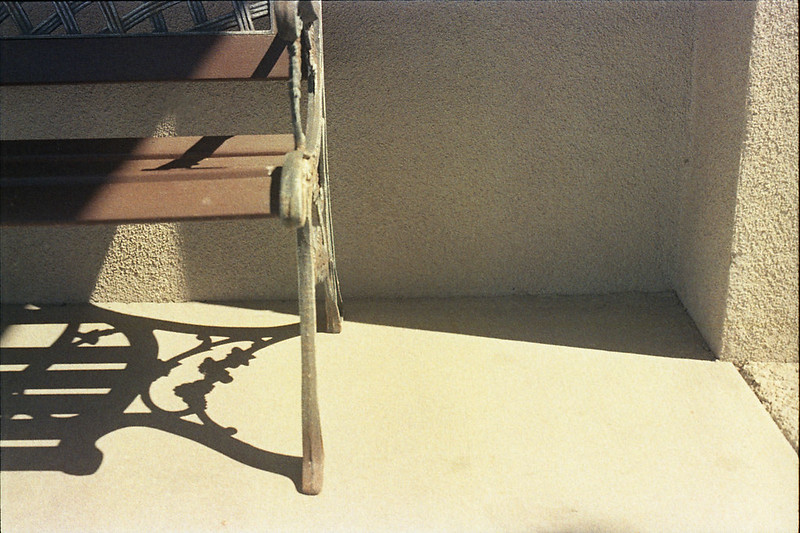
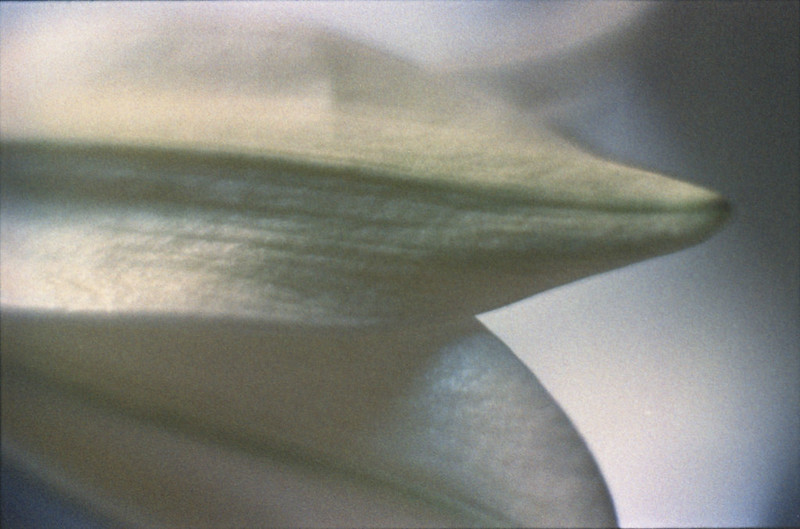
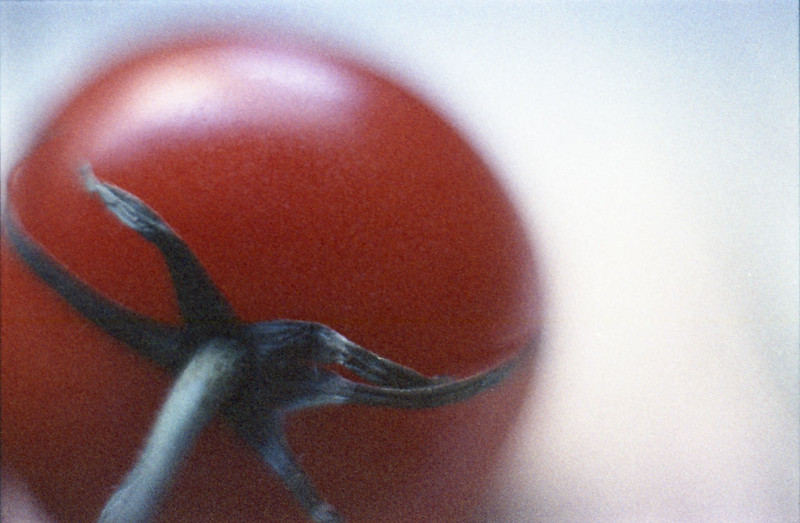
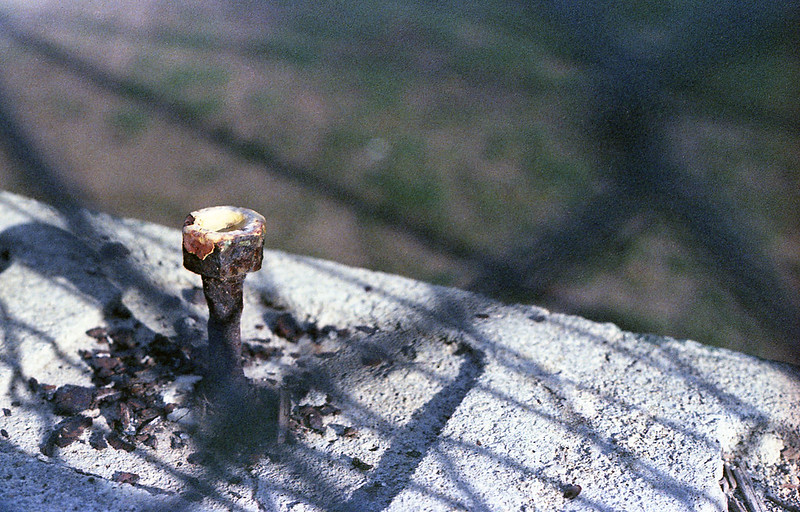
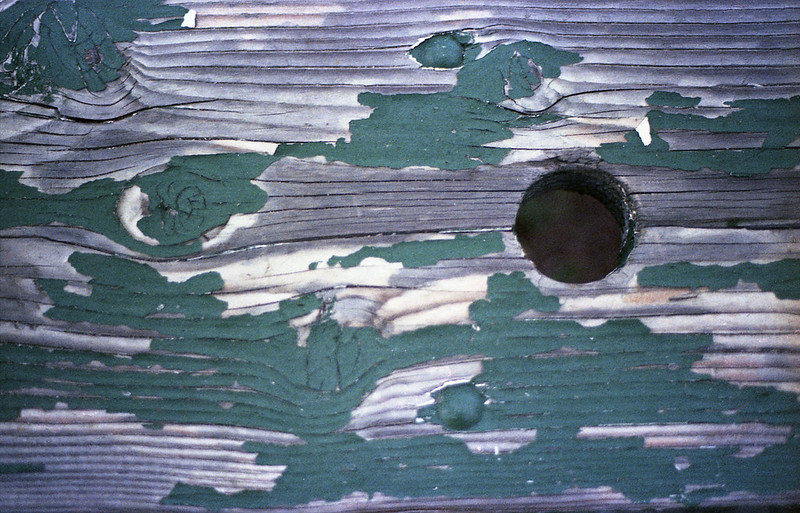
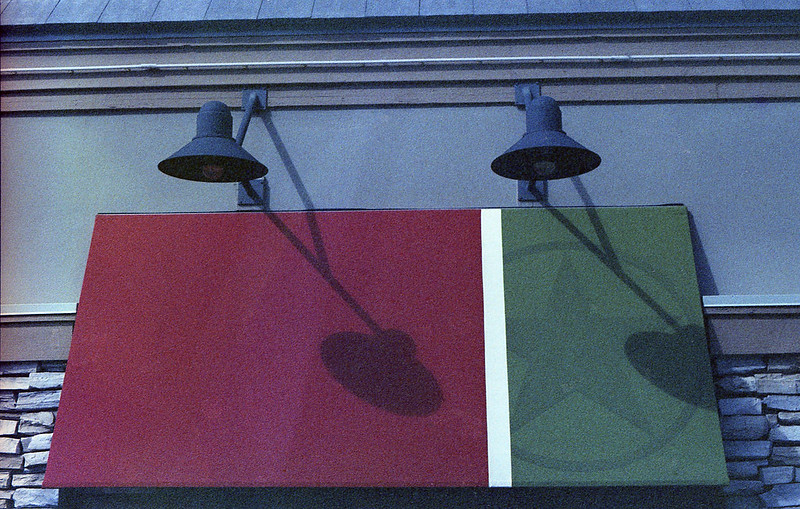
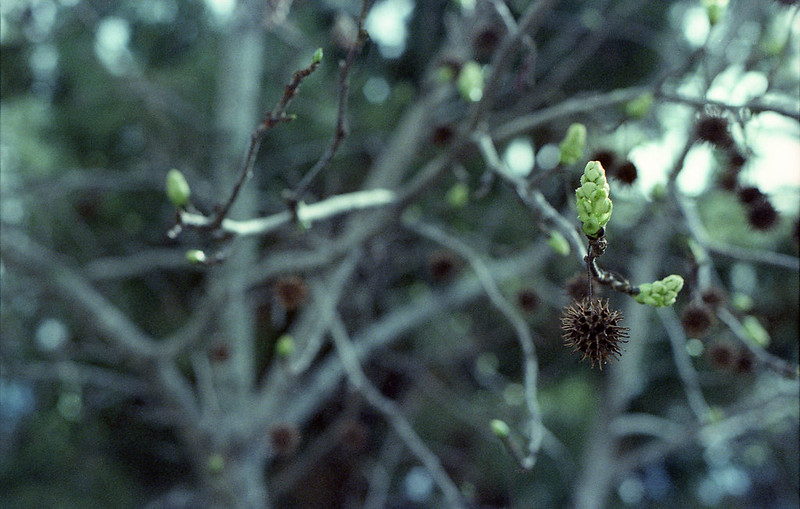
So this film was produced for iso 640, and I generally follow the guideline to add a stop for every decade past expiration, but there was no expiration marked on this film. I didn't get the original boxes, just the 35mm cartridges, so now what? Well, I had a roll of 36 exposures and another of 20 (?) exposures, so I figured I would start with the short roll and see if I could gain any information about it. I figured it was at least 20 years past expiration, so that would mean 2 stops slower. That puts it at around iso 160. I threw it into my trusty Nikkormat FTn with a new-to-me Nikkor-S 50mm f/1.4 lens and set my handheld meter to 160. The lens I bought came with a 27.5mm extension tube, so I went a little crazy with the macro shots. I should have looked up the required exposure compensation for that tube, but I didn't and subsequently, a lot of the macro shots were under-exposed.

I developed the film in Unicolor C-41 chems at room temperature for 20 minutes with a 10 minute blix. Agitation was 1 minute initial and 4 inversions each minute thereafter. I did the RT development because I was developing some old 126 print film at the same time and wanted to be gentle with that. Unfortunately, there were no visible images on that film. So here are a few of the photos from this old film. The grain on the under-exposed shots is formidable, but on the brighter ones, not so bad. I have the 36 exposure roll left, so I will probably expose that with an EI of 80 and try to stay out in the sun without any extension tubes connected.

FTN-KMart-004
FTN-KMart-010
FTN-KMart-012
FTN-KMart-001

Thursday, March 24, 2016

Fuji Super HR Microfilm

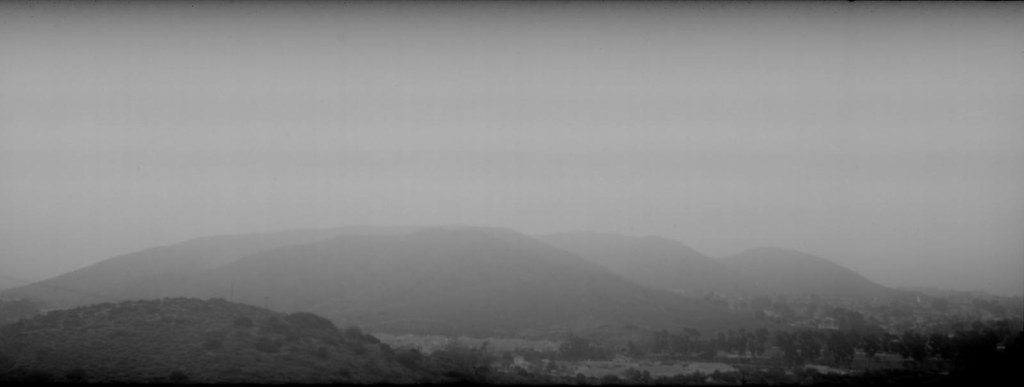
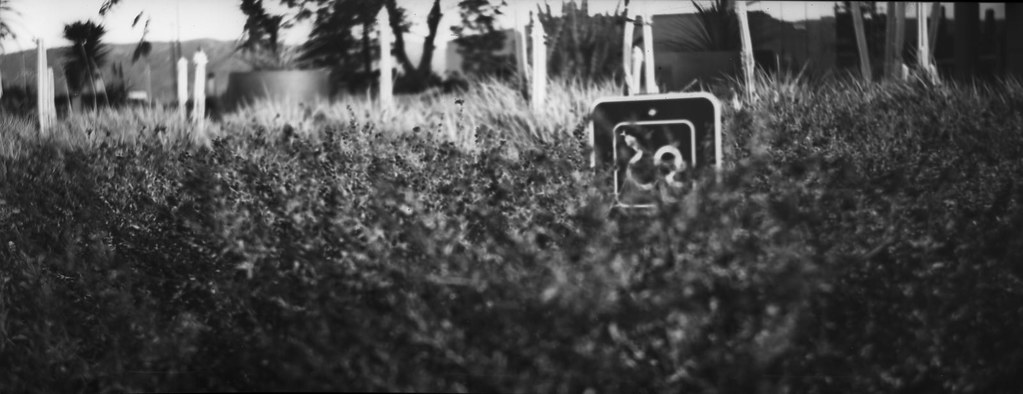
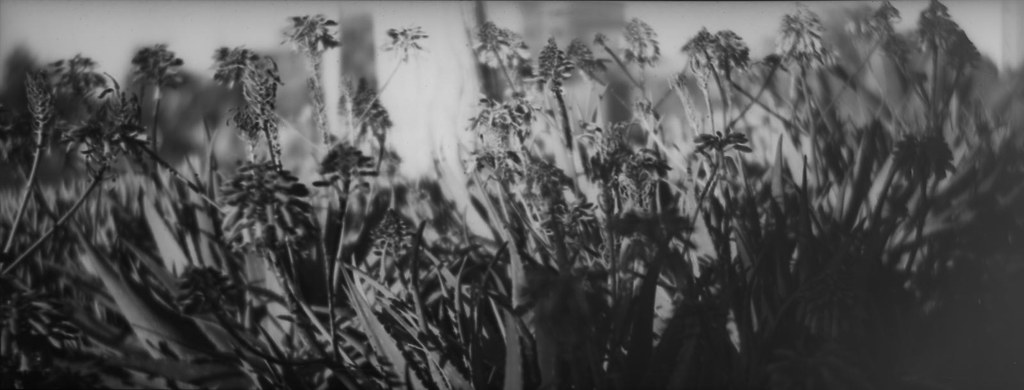
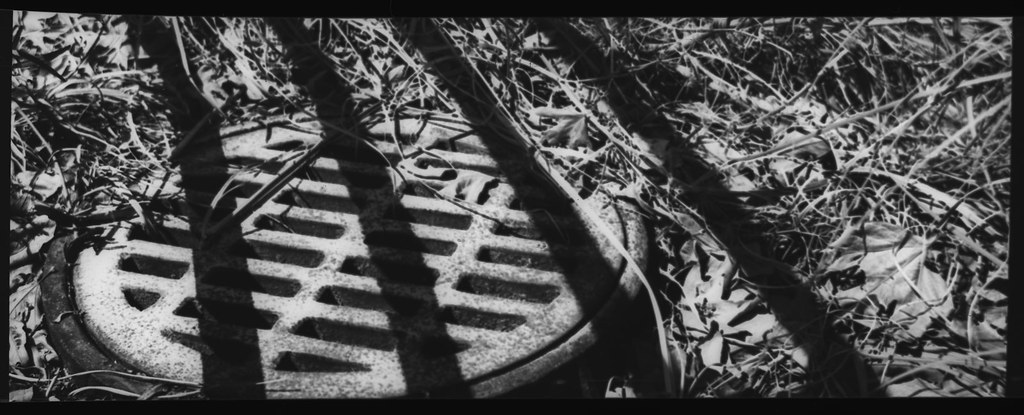
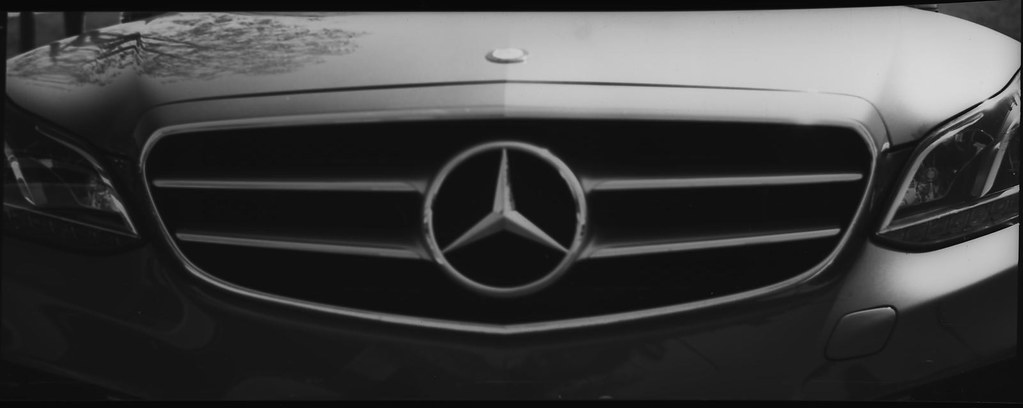
If you have accidentally stumbled across my blog and found yourself with nothing better to do than read it, you might know that I like to shoot expired film, and in addition I like to shoot expired non pictorial film. Non pictorial film is that film that was intended for other uses like radiography and copying documents. Recently, while perusing a large auction site, I came across some microfilm made by Fujifilm. This was truly microfilm in that it was 35mm film, but it has no sprocket holes. Most 35mm cameras need sprocket holes in the film for the winding mechanism and/or the frame spacing/counting mechanism to work. So needless to say, demand is pretty low for film without them. When I saw this film it reminded me of a 100'roll of sprocketless Konica 160 I have in the freezer that I have used in my Kodak Instamatic 500. Granted, I did have to add some spacing holes in it for the camera to work properly, but that's not too difficult. So my intention was to use this Fuji film in the instamatic. But I digress. What I want to talk about is what I actually did with this film when I got it. It is not unheard of to put 35mm film into medium format cameras and expose it edge to edge over the sprocket holes. Lots of people do that, so I thought I would do that with this film and not be bothered by the pesky hipster holes. So that's what I did. I taped it down to a 120 film backing paper. Getting it centered and straight in the dark was a challenge, but after a few tries rolling it up and unrolling it, straightening it out and re-rolling it, I finally got it all rolled up. I found it easiest to tape down the leading end, roll it onto a 120 spool and then re-roll it from the untaped end onto another 120 spool. That makes it so that you don't end up having to untape and retape the leading end because the film slid past the paper as you were rolling. I thought later of making some sort of a jig that would hold the paper flat and let me use both hands to align the 35mm film. That might be worth thinking about later. But today, I just need to show some pictures. These are full width 35mm taken in a 6x9 camera (Voigtländer Bessa) so 90mm wide. That is a fully manual camera with a viewfinder and range estimation focusing. On top of that, I had to sort of envision where the 'film' was in the viewfinder. So I was picturing a skinny mask running across the middle of the viewfinder in order to compose my shots. I got 8 shots on a roll which is good for me since I don't have a lot of patience. 36 exposures is torture. The film didn't have an iso rating marked, so I went to the googlz and found the spec sheet. From there, I found that the film's manufacturer recommends an iso of "medium". So, I figured "eh... 100??", but it expired in 2001, so I thought "ummm... 25??" So that's what I shot it at. I developed it in Adox Adonal (Rodinal) 1:100 for 60 minutes with 30 sec. initial agitation and 10 sec. agitation at 30 minutes. When I pulled the negatives out of the fixer, I thought, "Woah, that's a lot of contrast.", and it is, but not as bad as I initially thought. Most of the photos were shot in bright midday sun, so contrast is what you get. The first shot is fogged because I was taking too long to get it rolled up, but it turned out okay since it was a shot of a foggy landscape. :)

Bessa-HR20-007

This is a snake in the grass.

Bessa-HR20-006

Here are some more without the bad jokes.

Bessa-HR20-005
Bessa-HR20-001
Bessa-HR20-002

I hope you enjoy these photos. I sure had fun making them and am looking forward to having more panoramic fun with this sprocketless film.

Sunday, March 20, 2016

The Resilience of Film

I decided to visit a thrift store down in a part of town that I don't really get to very often. I had seen on CraigsList that they had some "darkroom equipment", so I thought I would go check it out. When I got there, the selection was sort of meager, but the prices were better than the 'bay', so I decided to have a closer look. There were a couple of Watson daylight film loaders and I can always use another one of those, so I picked one up. It had a typed (like on a typewriter) label on it that said "KODALITH ORTHO type 3 / 6556 film". I had a thought that there may still be film in it, so I did what any kid rummaging around under the Christmas tree would do... I shook it. It rattled a bit. It wasn't heavy like it had a full roll, so maybe there was just an empty spool in there. I decided to take a peek. What's the worst that could happen? If it was empty, no harm. If there was film in it, it wasn't very much and it was old iso 6 ortho film that had been sitting on a shelf for who knows how long and was probably fogged anyway. But I didn't just tear the lid off, I carefully cracked it a little and looked in. There was indeed film in there. Was it labeled correctly? Had someone else opened it and exposed the whole thing? How old was it? These were all unanswerable questions that really didn't matter. I needed the loader, so I bought it. The only question that mattered about the film was "Is it still any good for taking pictures?" and the only way to answer that was to stick it in a camera and shoot it. So that's what I did.

I loaded one roll of about 24 exposures and put that aside. I figured if my peek had fogged anything it would be most evident on the 'outer' parts of the roll. So I loaded another roll of about 20 exposures and put it in my trusty Pentax K1000. This was just a test roll, but I still tried to make a little effort to get something I would like to look at. I have never shot a picture of a test chart and I'm not going to start now.

I had some Kodak X-Tol developer mixed up already, so I decided just to use that at 1:1 with dH2O. I cut the leader off and did a quick test to make sure the developer was still good and to check the fixing time. I dunked the leader in developer for 5 minutes and it looked pretty opaque. Then I fixed for 4 minutes and the undeveloped area cleared in about 2 minutes, but the developed area got a bit less dense too. So I decided on a 10 minute dev time and a 5 minute fix. I don't have enough of this film to worry about figuring out 'the right' times and concentration. I probably only have enough in the loader to make 2 more 24exp rolls, so this is just for fun and for the information of anyone who might find themselves in a situation where they have to decide whether to keep some old unknown film or toss it.

So without further ado, here are some of the results... The highlights (and some of the mid-lights) are blown in all of them, and there is indeed some fogging (probably from my peek) on some frames. In fact in some (not shown here) there are only blown highlights! I think I may have over-exposed using iso 10. Next roll I will try iso 20 and see what happens. It is high contrast film by design, so a full range of tones is not to be expected. But the mere fact that I got recognizable images from this poor tormented film is really a credit to the medium. This film went out of production in 2002. Digital formats that old are already obsolete! So I'm going to enjoy my last few feet of this good found film and treat it with the respect it deserves. Thank you Kodak for making products to last decades, indeed centuries!!


K1000-6556-004
K1000-6556-006
K1000-6556-016
K1000-6556-017
K1000-6556-018

Wednesday, March 16, 2016

The Last of the Dupe

So it happened. I shot the last roll of one of my favorite "no longer in production" films. It is Kodak's Ektachrome Slide Dupe (Duplicating) film emulsion #5071. It is a color reversal (slide) film that was designed to make exact duplicates of existing slides. It was intended to be processed with E-6 chemistry, but I only ever processed it at home with C-41 chemistry (cross processed) to make negatives. It is probably the height of vanity to quote one's self in one's own blog, but since I have now referred to myself as "one" two times in this sentence, why not just go for it? From my first post using this film..."I knew that the film I had loaded in my 1967 Nikkormat FTn was expired 30 years ago, so there would be grain. I also knew that I was going to cross-process the film so there would be color and contrast shifts. I also knew that the film was tungsten balanced, so shooting in daylight would throw the color balance toward the 'cool' spectrum." And those characteristics pretty much drove my love for this film right down to the last frame. I have been looking for another 100' bulk roll of this, but it is getting scarce. I guess I will have to direct my x-pro love somewhere else, so this could be the very last post of slide dupe film images on this blog. I hope you have enjoyed it as much as I have.

K1000-SlideDupe-003
K1000-SlideDupe-002 K1000-SlideDupe-013
K1000-SlideDupe-011
K1000-SlideDupe-006
K1000-SlideDupe-005
K1000-SlideDupe-004

Monday, February 8, 2016

For the Love of Bakelite!

Bakelite. It sounds like the heat source for one of these.


But it isn't. It's a modern miracle of materials science!! Alright, it isn't so modern, but just because it was invented in 1907 doesn't make it any less miraculous. It was the first synthetic plastic and was developed for its electrical insulation properties. So you could make a telephone casing with it and be pretty confident that when you answered, the person on the other end would hear “Hello?” and not “Gggggrraaaaaahhhhhhhhggg!!!!” It soon became popular to make lots of things with this durable moldable material. And make things they did. Everything from radios, to pipe stems, to automobile dashboards were made from Bakelite.

But you are on the Through a Glass, Darkly blog, not the “Through a Windshield Because They Haven't Invented Seatbelts Yet, Darkly” site, so best we stay on topic. Yes, they made cameras out of Bakelite. They made LOTS of them. Probably the most prolific Bakelite pusher in the photographic world was... yes, you guessed it, Kodak. They made Brownies of all types out of Bakelite and in the 1930's through the 1960's if your family didn't have one, the next door neighbors did. Early Bakelite Brownies took 127 roll film which is not as wide as modern 120 medium format film and usually produced 4x4 cm images. The Bakelite Brownies later evolved to shoot the more popular 6x6 cm format on 120 and 620 (120 film on a different spool) film.

That brings us to one of the most abundant of the Bakelite Brownies, the Brownie Hawkeye Flash Model.
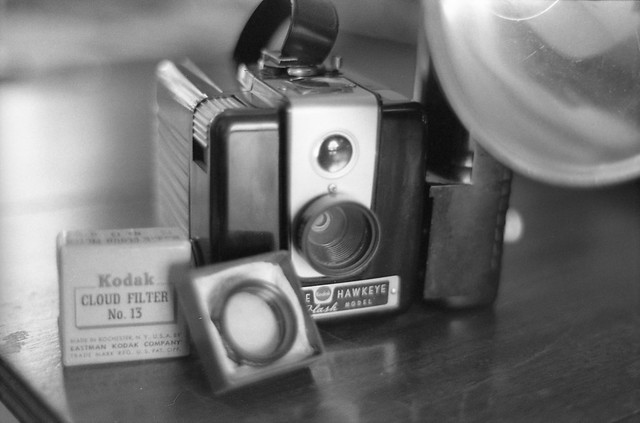
FTn-Tmax400-011

Aside from maybe the Nikon F, this is probably the most thoroughly covered camera on the web. Partly because they last forever and there are still piles of them available in like new condition for practically the cost of shipping, and partly because they are so much fun to use. It took me a while to warm up to the idea of getting one of these little black boxes. I had read enough and seen enough pictures from them to know that they were capable little cameras, but the point and shoot nature sort of turned up my snob dial and I resisted the urge to drop $5 on such a common piece of equipment. One day however, I was perusing an auction site (not the one you are thinking of… yes, the other one) and there was one listed for $5 with local pick up available. Okay, a fiver and no tax or shipping... What's the worst that could happen? So I won the “auction”. Really there isn't much in the way of actual bidding on these, so that was just a waiting game. I went downtown and picked up my first BHF (that's short for Brownie Hawkeye Flash among BHF owners – yes that's a thing) and the first thing that happened was the clerk dropped it on the concrete floor. I fully expected to be picking up little bits of BHF but the thing bounced a little and there was one small chip that I didn't even notice until days later. I decided to do a thorough cleaning and prepared my tools and rags and pointy things for tiny crevices, but all I needed was a Philips head screwdriver. That's it. I didn't even have to consult the Googlz. It is so simple to take it down to a reasonable number of components and clean them. So there I was. I had a BHF that looked and worked like the day it rolled off the production line, which thanks to the CAMEROSITY code (YSRM), I know was in July of 1953.

Now what is it about this camera that would inspire so many to devote their time and creative juju to it? Well, I can't speak for others, but have I mentioned it's made of Bakelite? That puts it pretty firmly into the “cool junk” category and I've heard that chicks dig that. The simple meniscus lens keeps it sharp in the center from about 5 – 15 feet and just slightly softer around the corners.
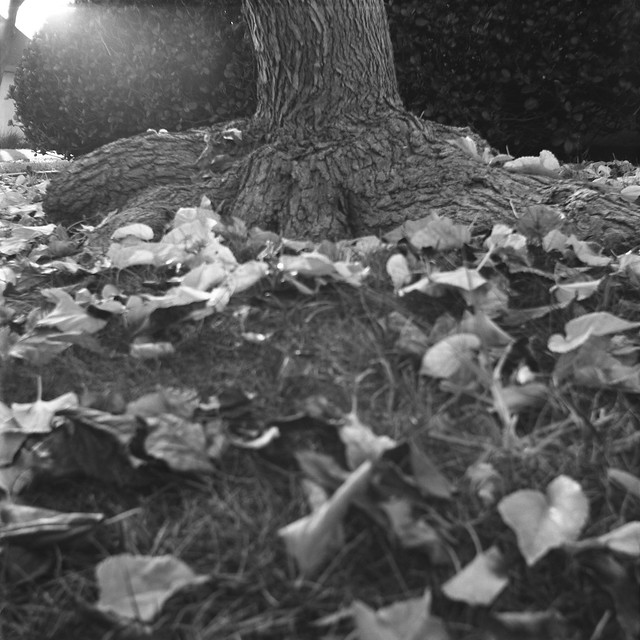
BHF-Acros-009

Obviously, if you live and die on Mount Hassy, this may not be for you, but if you want to go even deeper into the soft corner abyss, you can simply take the lens out and flip it around. That gives a sharp center circle but the outer parts of the image quickly fly apart into a nightmarish spectacle that you will never want to wake up from.

hawkeye-004

This is a fixed focus, fixed aperture, fixed shutter speed camera, so "point and shoot" in every sense of the word except that you have to remember to wind the film. There is no protection against double, triple or tredecuple (it's a word, look it up) exposures, so wind first or wind last, but do it every time. There is a bulb setting for long exposures, but there is no tripod socket, so good luck with that (keep reading if you want to know what the "bulb" setting is really for). Not having control over aperture or shutter speed makes the choice of film important. These cameras were made before fast emulsions, so iso 100 is about right for daylight shooting or indoors with a flash. That's right, many of these have working flash units attached. They take regular #5 flash bulbs which can still be had if you look. They aren't cheap, but if you are going to oh, say your company Christmas party and want to impress that girl from the steno pool that you've been admiring from afar, load up on #5's and crack one off casually when she is reaching for the cheeseball. If the blinding flash doesn't get her attention, the smell of the bulb's plastic coating melting away will. The flash diffuser combined with the size of the bulb itself creates a more pleasant light than does the harsh point of an electronic flash. Plus, if your subjects are cold, it throws a blast of radiant heat that washes over them, warding off those winter chills. Obviously, if you are in a really dark place, you can use the "b" or "bulb" setting by pulling up on the button opposite the shutter release. This keeps the shutter open as long as you hold the shutter button down, but it also fires the flash. The most common type are M bulbs or Medium fast bulbs, offering time to peak of 18-20 ms and generally 8-12 ms flash duration. That is much faster than the regular shutter speed, but it has to be dark or you will get weird dim blurs around your sharp flash image.
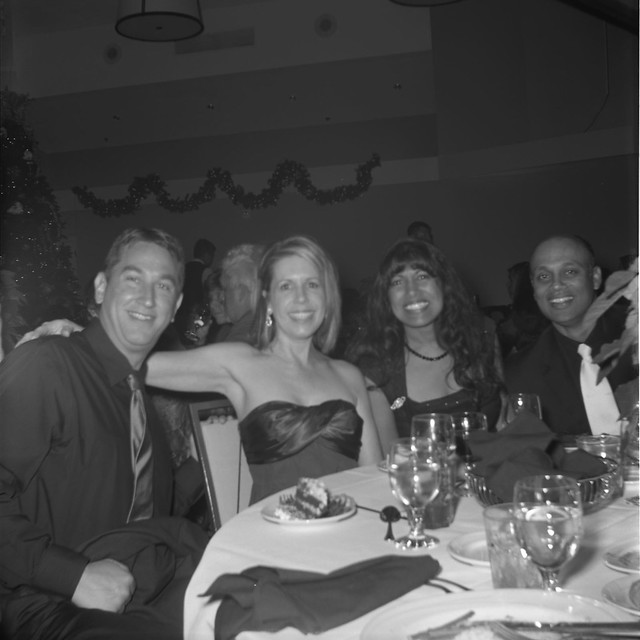
BHF-Acros-002

Finally, I want to talk about maybe my favorite feature of this camera. The Bakelite is good, the lens is 'special', the flash does what it does in spectacular fashion, but I just love the sound of the shutter. It is the simplest of spring loaded rotary shutters. The speed on yours may vary from mine, but between 1/30th and 1/40th is a safe bet. It doesn't really matter though. You can't change it! But that sound… I wish I could make a really good recording of it and play it for you. It goes like this “ker-SNAP!...schokkk.” Well, it sounds better than it looks phonetically, trust me. I have it on a shelf just above the computer where I am writing this and I just keep stopping to push that button, and when I am actually taking pictures with it, it's even more satisfying.

The Brownie Hawkeye Flash Model camera is really more than the sum of its parts. The experience of using one isn't about maximizing your creative potential. You probably won't realize your dream photograph with it. The BHF is about pointing, shooting, having fun and looking cool (for very specific definitions of “cool”). Bakelite is a miraculous material because it has made the preservation of thousands of these neat little box cameras possible. Pick one up, they're everywhere. Load it with your favorite medium speed film and take a walk with some friends. I guarantee you will have some fun, make some memories and take some good pictures.
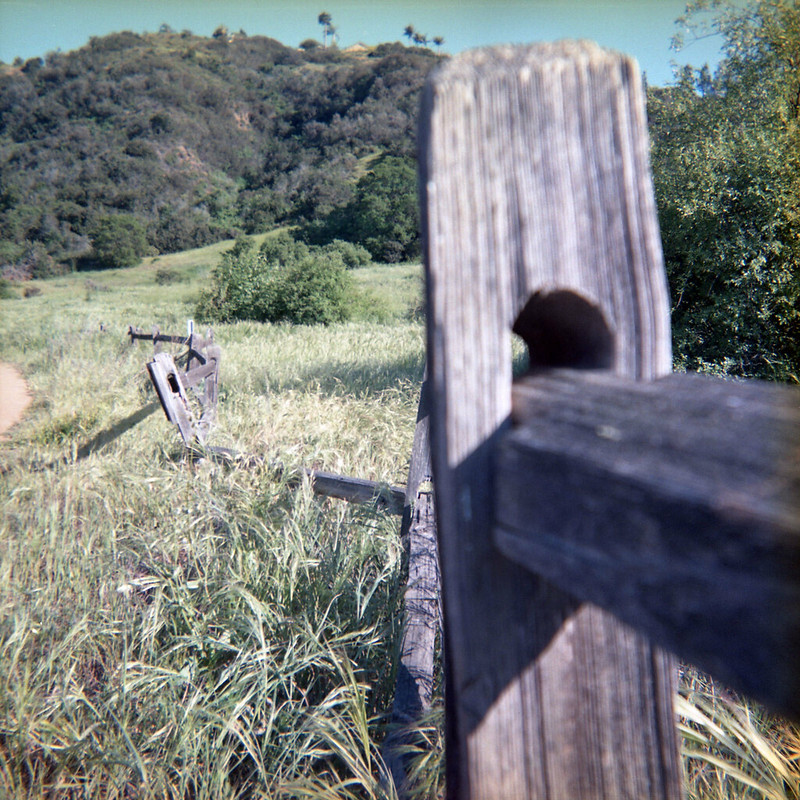
Saturday, February 6, 2016

Film Mini-Review - Kodak Plus X Aerecon II

A while back I was approached by an online acquaintance and asked if I would be interested in going in with him and another Filmwaster on a group buy of some odd expired film. If you have read any of my other posts, you will suspect that I am loath to turn down such an offer, regardless of the "oddness" of the film. I like grain and contrast (both low and high) and "cheap" is my second favorite price right after "free". The particular film that was being considered was 2 100' rolls of Kodak Plus X Aerecon II (expired 1998). What the heck, the more mysterious the better! At least this film was produced with pictorial photography in mind, unlike some other films. The group buy went ahead and then I didn't hear from the buyer for some time. I didn't pay up front, so it wasn't like he was holding something of 'mine', but I was curious to get the film and try it out. Time passed, and I communicated with him a couple of times and it was clear that he was busy with more important things. So I took the opportunity to practice patience and grace. I have plenty of film and the resources to buy more when I run out (that is not likely to happen any time soon). Finally, he sent the film along with some other treasures. There was two rolls of K-Mart branded slide film and an instamatic cartridge of Ektachrome HS! Awesome! Mike, if you're out there. THANK YOU!!
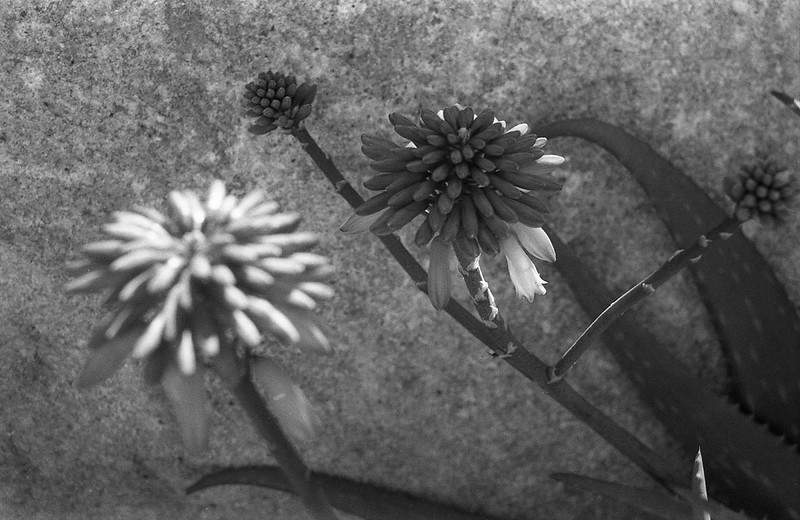
Any-hooo... I read the tech sheet and what little I could find online, which wasn't much. I did see that it was originally rated at iso 200 for daylight, so I figured I would start at iso 100, ignoring the "loss of 1 stop per decade" rule of thumb. I put one of the 100' rolls into my Watson daylight loader and rolled a couple of 36 exp rolls for an online trade and then a couple of 20's for myself (I don't have the patience for 36). I loaded one into my Nikon N2020 because that camera lets me shoot fast. I think that is psychological since an internal meter shouldn't make any difference unless you are really shooting from the hip to get street or action shots. I do neither of those, so the N2020 with its internal meter and auto-wind just makes me feel faster. I took some shots around my workplace and around my home. I think there is an endless supply of good photos right around us in the "mundane" surroundings we take for granted. So I tend to take a lot of photos right around the places where I spend the most time.

I didn't think that the development times from the Massive Dev Chart were going to be of much use, even though it says "Plus-X". So I decided on my old stand-by... Adonal (Rodinal) diluted 1:100 with semi stand development for 70 minutes. Semi stand, for me, means agitation for 20-30 seconds at the beginning and another 10 seconds or so half way through (35 min in this case). That does all the good things we expect from stand development, but reduces the bromide drag associated with stand development of 35mm film. The base of this film is clear (so could be reversal processed for slides), and is VERY thin. In fact when I walked by it hanging in my office to dry, the static actually started drawing it toward me. But it flattened out fine for the scanner and it didn't tear in the camera or spooling it for development, so all's good.
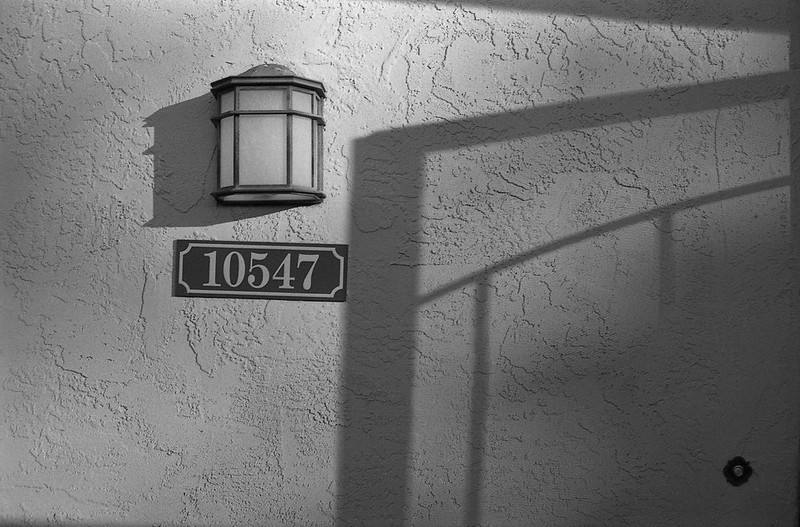
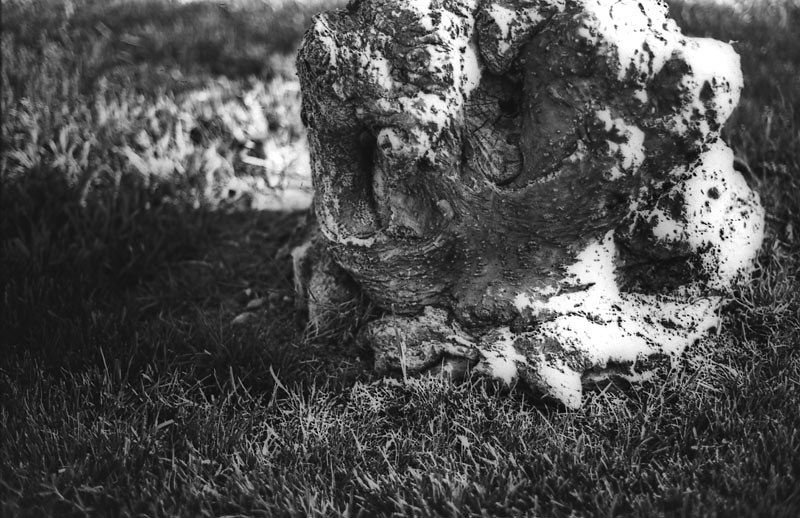
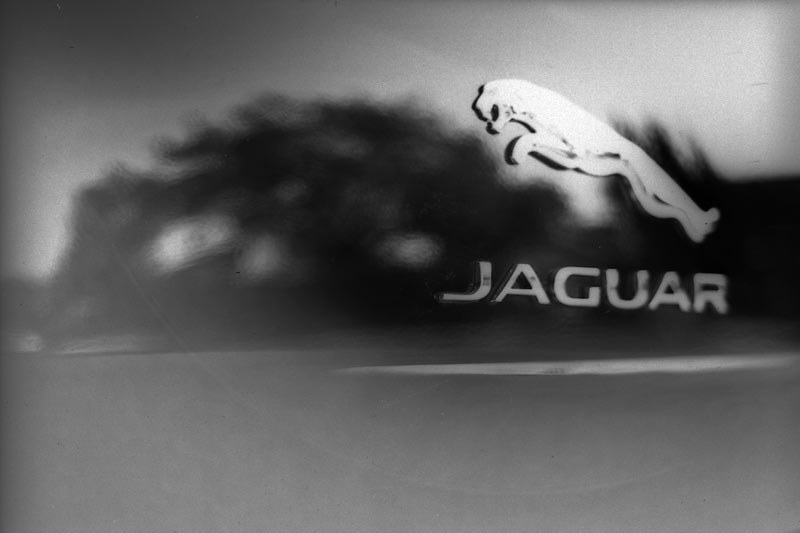
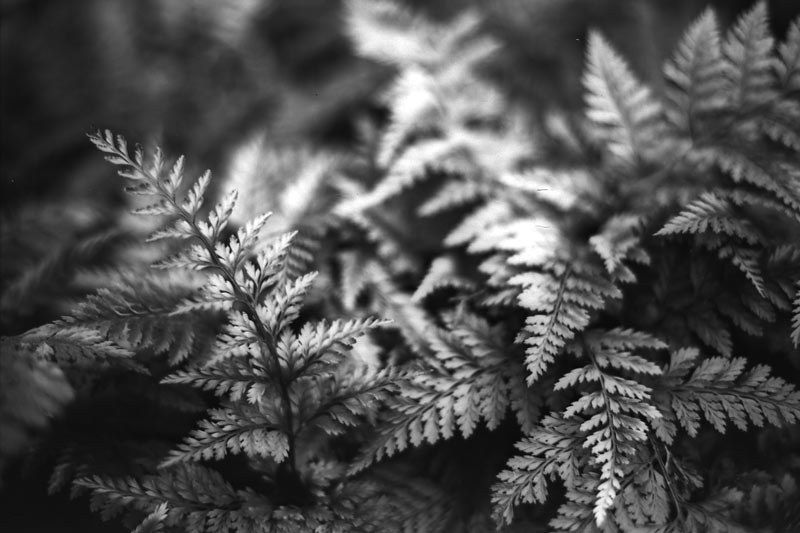
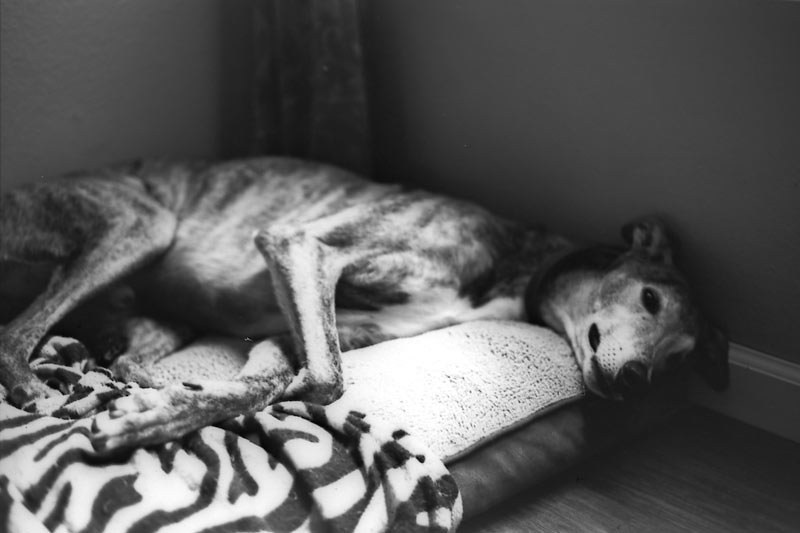
Over all, I was very pleased with this film. The grain is there, but not at all obtrusive. When I zoom in on the original 4800 dpi scan, I can definitely see some degradation of the grain. It has the salt & pepper look of a badly stored film, but to a much lesser degree. At normal magnifications, it is practically unnoticeable. Here is a 100% zoom on a smooth sky area of one of the photos. Remember, this is 4800 dpi, so you are looking at a piece of an image that would be over 5 feet wide.
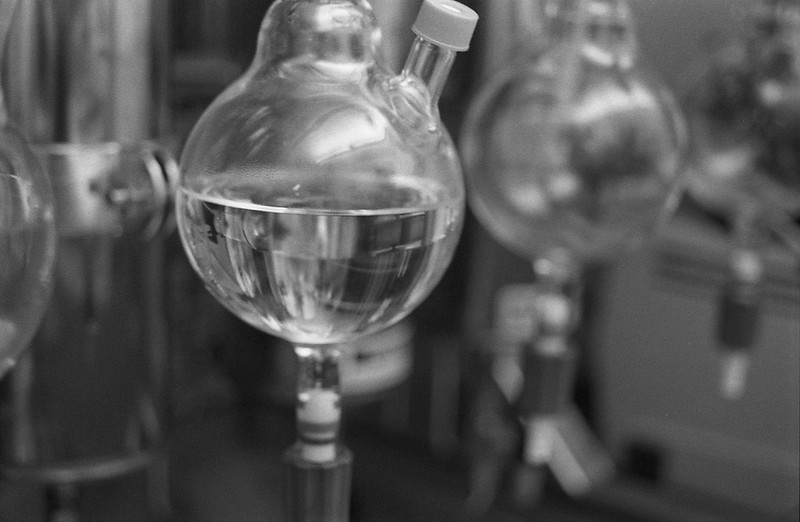
Here are some more of the photos from this first roll. I am happy to have almost 200 feet of this film. I'm sure I will enjoy many of the images I make with it. I would be happy to hear any feedback or experiences of others who have used this film. Leave a comment.

N2020-AereconII-008
N2020-AereconII-007
N2020-AereconII-005
N2020-AereconII-002
N2020-AereconII-014
N2020-AereconII-012
N2020-AereconII-011